Make Every Appliance Shine Without Risking Your Lease

Today we dive into renter-friendly appliance care, focusing on simple routines, gentle fixes, and respectful communication that protect your deposit and extend the life of every machine in your place. Expect practical checklists, lease-safe habits, and time-saving tricks you can start right now. Share your quick wins, ask questions, and join a community of renters keeping homes comfortable without permanent changes.

Move-In Checklist

Document appliance condition on day one with photos, quick test cycles, and short notes about noises, dents, or missing parts. Photograph serial numbers and settings, then send a friendly timestamped message to your landlord. This small routine protects you later, helps service technicians diagnose faster, and lets you notice early issues while they are still inexpensive.

Tools You Can Use

Keep a renter-safe kit: microfiber cloths, a soft brush, baking soda, white vinegar, citric acid, a non-scratch scraper, zip-top bags for screws, a small flashlight, outlet-safe surge protectors, felt pads, and vibration mats. None of these permanently alter anything, yet they dramatically improve cleanliness, reduce noise, and make quick maintenance painless and consistent.

What to Ask Your Landlord

Clarify filters to replace, vents to clean, and approved descaling methods. Ask who schedules routine service, whether warranties are active, and how to report non-urgent issues. Request approved settings for water temperature and electrical loads to avoid tripping breakers. Friendly questions set expectations, avoid misunderstandings, and often fast-track professional help when needed most.

Kitchen Confidence Without a Toolbox

Your kitchen can run smooth without removing a single panel. Focus on gentle cleaning, smart temperature settings, and regular wipe-downs that stop grime before it hardens. With a calendar reminder and a few budget supplies, you can keep refrigerators efficient, dishwashers sparkling, and ovens fresh, all while keeping your landlord happy and energy costs lower.

Fridge Efficiency Rituals

Keep the fridge between 37–40°F and the freezer at 0°F for freshness and energy savings. Clear door shelves monthly, wipe door gaskets with mild soap to preserve the seal, and vacuum accessible coils if your lease allows. Leave space behind and around for airflow. A tidy, organized interior reduces compressor strain and helps groceries last longer.

Dishwasher TLC

Rinse big scraps, not every plate. Clean the removable filter weekly, run a hot cycle with dishwasher cleaner or vinegar as allowed, and top up rinse aid for spotless results. Load taller items on sides to avoid spray-arm blockages. If you notice cloudy glasses or odors, adjust detergent amount and try a high-heat cycle to reset performance.

Laundry That Loves Your Deposit

Whether you have a shared laundry room or a compact unit, small habits prevent leaks, odors, and vibration damage. Focus on lint control, balanced loads, and periodic drum cleaning with approved descalers. Simple precautions protect floors, keep neighbors happy, and help machines last longer. Your goal is quiet, efficient washing that never risks flooring or fixtures.

Protect Hoses and Floors

Inspect hoses every month for bulges or cracks, and hand-tighten connections without over-torquing. Place a shallow drip tray beneath the machine if permitted, and use anti-vibration pads to reduce movement on spin cycles. Immediately blot small leaks and notify your landlord. Quick attention saves subfloors, protects your deposit, and prevents costly building-wide water issues.

Lint and Vent Safety

Empty the lint filter after every drying cycle, then wipe the cavity to capture stray fuzz. If you have a ventless unit, clean the condenser and filter as directed. For vented dryers, request landlord-approved vent cleaning when airflow seems weak. Lint buildup reduces efficiency, increases costs, and is a genuine fire risk best handled promptly.

Scale-Beating Habits

Descale kettles, coffee makers, and humidifiers using citric acid or vinegar if approved. Rinse thoroughly to avoid lingering taste. Use filtered water where possible to slow mineral buildup. Keep a sticky note on your calendar for monthly reminders. These small actions avoid heating inefficiencies, irritating noises, and the chalky residue that shortens appliance life and enjoyment.

Microwave and Air Fryer Refresh

Steam-clean the microwave with lemon water, then wipe the softened splatters effortlessly. For air fryers, line baskets with perforated parchment when allowed, and wash removable parts promptly to prevent sticky residue. Avoid abrasive tools that scratch nonstick surfaces. A weekly refresh keeps flavors true, reduces odors, and makes quick meals taste noticeably better with minimal cleanup.

Vacuum and Fan Care

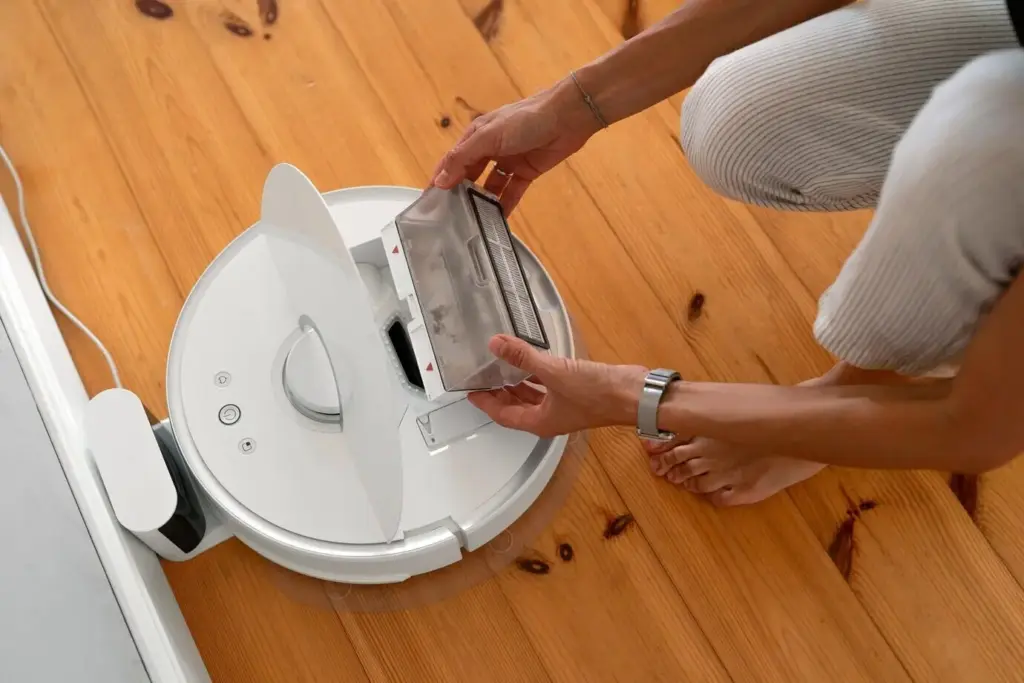
Wash or replace vacuum filters as scheduled, clear hair from brush rolls, and empty canisters before they overfill. Dust fan blades with a microfiber sleeve to prevent shaking and excess noise. Check cords for kinks and plugs for heat. Clean, balanced blades and strong suction mean fewer allergens, calmer rooms, and a genuinely easier weekly tidy-up.

Lower Bills Without Alterations

You can shrink energy and water use dramatically with temporary, reversible tweaks. Use smart plugs, eco modes, careful temperature targets, and modest draft stoppers that leave no marks. Track your progress and celebrate small wins that compound. Lower utilities, quieter machines, and fewer service calls feel great, and they keep landlords supportive of your thoughtful habits.

Fix It Fast, Document Better

Safe First Steps

Cut power or water to the affected appliance if there is heat, sparks, or leaks. Check GFCI resets, breakers, and accessible filters. Unplug for a full five minutes before retrying. Never open sealed panels or gas lines. Safety first, always. Quick, reversible resets often solve glitches without risk, cost, or uncomfortable conversations about unauthorized tinkering.

Photos, Logs, and Messages

Record the issue with timestamped photos or short videos, capture serial numbers, and note the exact sound, smell, or error code. Send a concise message including the steps you tried and when you are available. Good documentation reduces back-and-forth, accelerates approvals, and helps maintenance teams arrive prepared, saving everyone time, effort, and unnecessary stress.

When to Request Professional Help

If there is gas, a persistent leak, burning smell, live wiring, or warranty coverage, stop and escalate immediately. Ask for a licensed technician and confirm scheduling and access instructions. You are not obligated to diagnose beyond basic checks. Respecting boundaries protects you legally, safeguards the building, and leads to faster, safer, fully documented resolutions for everyone involved.
Carnoxelivaro
Privacy Overview

This website uses cookies so that we can provide you with the best user experience possible. Cookie information is stored in your browser and performs functions such as recognising you when you return to our website and helping our team to understand which sections of the website you find most interesting and useful.