Apartment-Friendly Hacks for Power-Sipping Appliances

Today we explore energy-saving appliance settings for apartment dwellers, focusing on small-space realities, shared walls, and landlord constraints. You will learn practical adjustments that cut bills without sacrificing comfort, from smarter thermostat schedules to appliance modes you already own. Expect specific numbers, renter-safe tweaks, and real-life stories that make conservation feel achievable, measurable, and even satisfying in compact homes where every kilowatt-hour and square foot matters.

Dialing In Fridge and Freezer Efficiency

{{SECTION_SUBTITLE}}
Reliable Temperatures and Food Safety

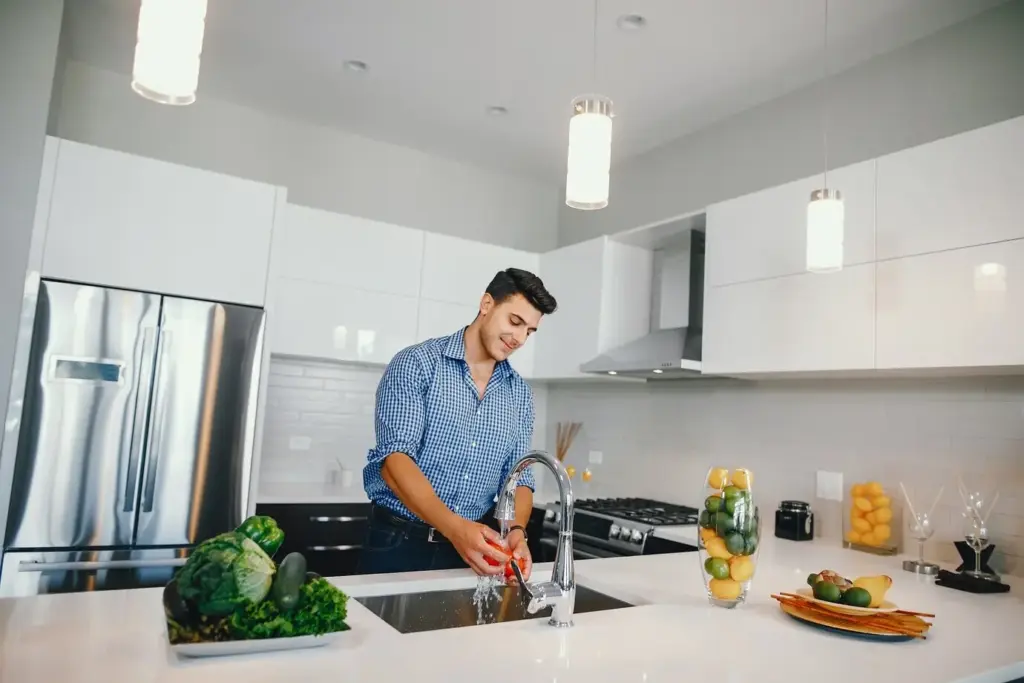
Apartment fridges often run too cold, wasting energy and bruising produce. Calibrate using a fridge thermometer placed in the center, not the door. Keep milk and raw proteins on colder shelves, leafy greens in crispers, and avoid overcrowding. Stable 37–40°F protects taste and safety while preventing compressor overwork. Share the settings with roommates, then review monthly to ensure consistent cooling patterns.

Smart Organization to Support Airflow

Good organization is a silent energy saver. Use clear bins so you find items quickly, reducing door-open time. Leave space around the back wall to prevent blocked vents, and decant bulky packaging. Store ready-to-eat items up front to discourage rummaging. A little labeling reduces lingering, which lowers warm air exchange and compressor cycles. In tiny kitchens, tidy layouts genuinely translate into lower energy use.

Washer and Dryer Settings That Truly Matter

Laundry is ripe for savings, especially when machines are shared or stacked in small closets. Cold water cycles paired with modern detergents clean well, while high spin speeds reduce drying time dramatically. Use moisture-sensor drying, clean lint filters every load, and combine smaller loads when practical. If you pay per cycle, running efficient settings becomes both a bill-cutting tactic and a time-saver, freeing evenings from endless tumbling noises through thin walls.

Cold Water Wins with the Right Detergent

Most fabrics and everyday soils wash perfectly in cold water using high-efficiency detergent. Preserving colors and fibers, cold cycles also prevent shrinking and reduce heater demand. Pre-treat stains with a small brush, then choose a shorter wash when loads are lightly soiled. In buildings with hot water delays, cold avoids wasteful pre-flushes. Share a quick temperature guide on your laundry room wall for roommates.

Max Spin Speed Cuts Dryer Time

Crank your washer to the highest safe spin speed for your fabrics. The extra extraction removes surprising moisture, sometimes halving dryer minutes. Shake garments before drying to open fibers, enabling faster airflow. If your building uses coin-operated dryers, this setting often pays back immediately. For delicate items, use a mid-spin to protect fabric integrity while still improving drying efficiency noticeably.

Sensor Drying and Lint Care

Avoid timed cycles when sensor options exist, since moisture sensors stop once clothes are dry. Empty lint screens every load to keep ducts clear and airflow strong. Add dryer balls to separate fabrics and speed evaporation. Mix heavy and light items wisely, or dry towels separately so lighter clothes finish sooner. If humidity creeps up in small apartments, open a window briefly to vent moisture and heat.

Thermostats, Space Heaters, and Small-Space Comfort

In apartments, precise temperature control depends on timing, not brute force. Program a thermostat setback of 6–8°F during work hours and overnight, then preheat or precool just before you return. Use ceiling or box fans for gentle circulation, close doors to micro-zone rooms, and seal drafts with removable strips. With careful schedules and portable solutions, you can feel cozy while keeping heating and cooling loads impressively lean.

Kitchen Tricks: Dishwashers, Cooktops, and Quick Heat

Electronics, Standby Loads, and Smart Controls

Invisible standby power can quietly bloat apartment electric bills. Tame it with advanced power strips, device sleep timers, and brightness caps. Game consoles and streaming boxes often default to fast-start modes; switch to energy-saving settings and scheduled shutdowns. Dim TVs to comfortable levels, enable automatic power-down on monitors, and plug chargers into smart plugs. With small changes, you’ll see measurable reductions without sacrificing convenience or connectivity.

Habits, Data, and Neighborly Collaboration

Settings unlock savings only when habits support them. Track usage with a utility app, smart plug analytics, or simple spreadsheets. Try weekly five-minute check-ins: verify temperatures, clean filters, and confirm schedules. Share tips with neighbors, swap draft stoppers, and ask landlords for documented upgrades. Together, you can normalize comfort-first efficiency, making lower bills, quieter appliances, and lighter footprints an apartment-building tradition worth celebrating and passing along.

A Weekly Ritual That Keeps Bills Down
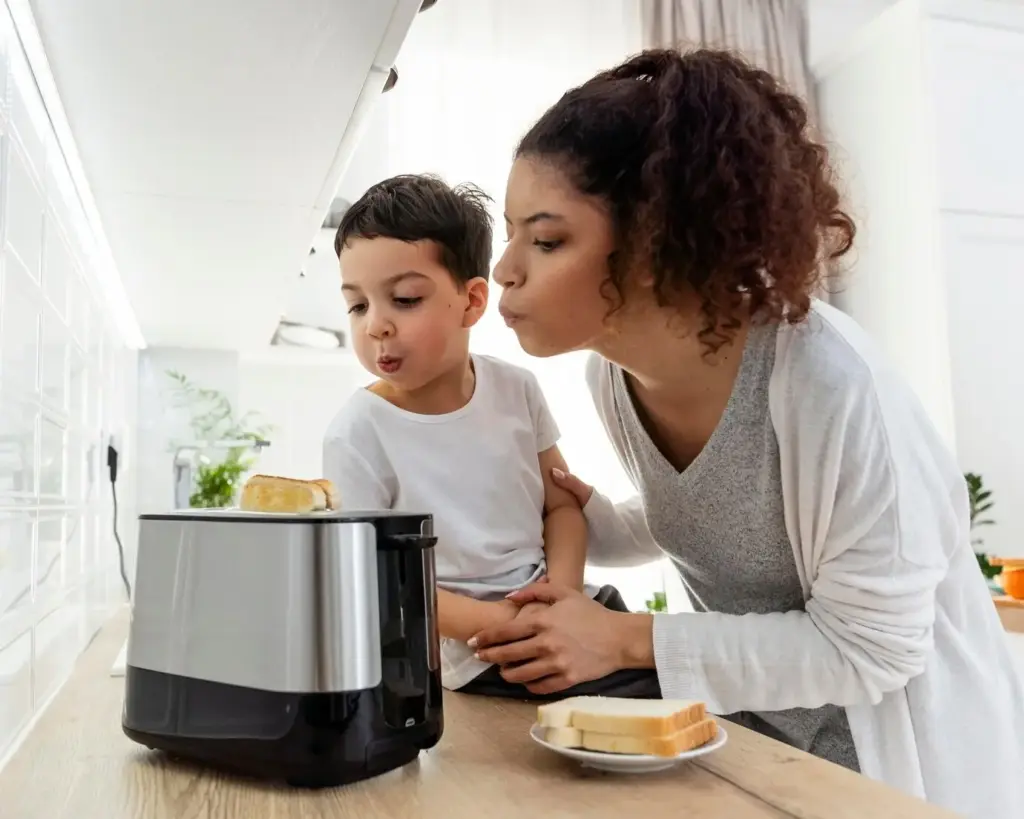
Set a calendar reminder for a short household energy reset. Wipe lint filters, confirm thermostat schedules, spot-check fridge temps, and evaluate any comfort complaints. Record small wins, like shorter drying times or stable room temperatures, to stay motivated. If something slipped, adjust without blame. This nonjudgmental rhythm builds momentum, preserves comfort, and cements accountability across busy apartment lives.

Constructive Conversations with Landlords
Approach your landlord with friendly data: photos of aging gaskets, logs of inefficient cycles, or temperature swings. Suggest affordable fixes first, like weatherstripping or LED swaps, then discuss efficient replacement models when leases renew. Offer to share post-upgrade results. Emphasize happier tenants, fewer complaints, and marketable sustainability points. Most property managers appreciate solutions that blend practicality, compliance, and resident goodwill.
Carnoxelivaro
Privacy Overview

This website uses cookies so that we can provide you with the best user experience possible. Cookie information is stored in your browser and performs functions such as recognising you when you return to our website and helping our team to understand which sections of the website you find most interesting and useful.