Care for Your Place, Protect Your Peace
Today we explore preventive maintenance tenants can do without violating the lease, highlighting simple, lawful routines that protect comfort, safety, and deposits. You will learn how to read boundaries, act early, and communicate clearly, so small habits prevent expensive issues. These ideas respect typical rental agreements, require no permanent changes, and build trust with your landlord. Share your favorite quick win at the end and subscribe for seasonal checklists shaped for renters.

Know Your Boundaries Before You Begin
Start by understanding where your responsibilities end and your landlord’s begin. Read the maintenance, alterations, and notification clauses, and look for language permitting minor upkeep like cleaning, light bulb replacement, and filter changes. If you are uncertain, ask first and keep the answer in writing. This respectful approach prevents disputes, speeds repairs, and proves diligence when deposits are at stake. Invite a roommate to review with you for shared accountability and better follow-through.




Kitchen Care That Stops Grease and Odors
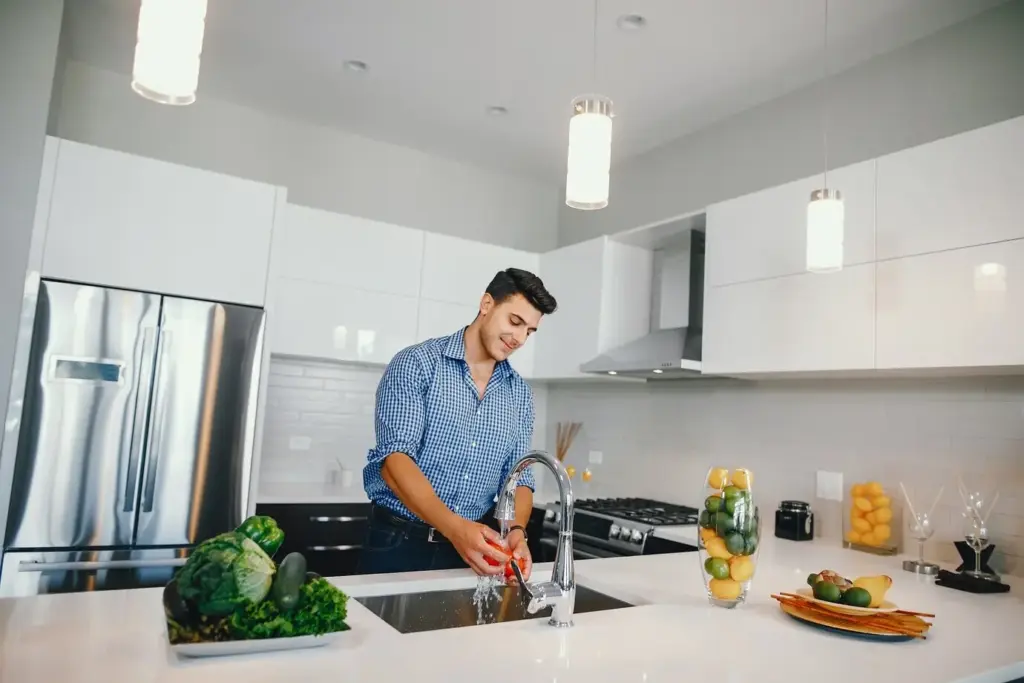
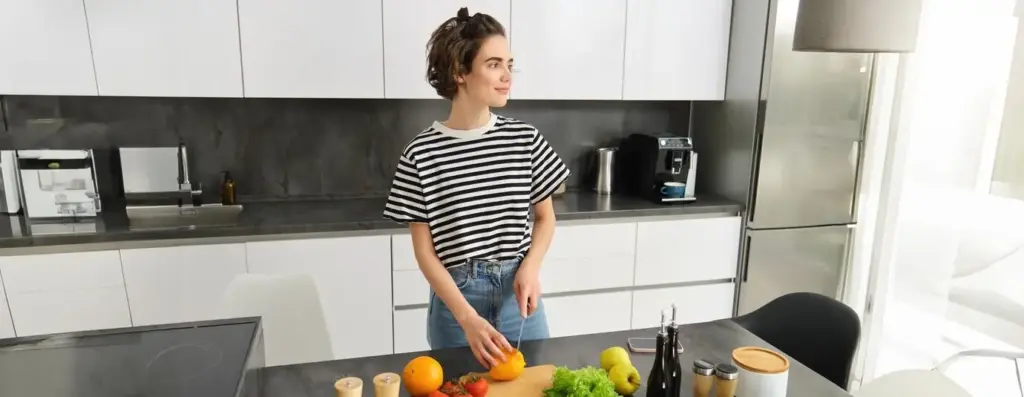
Degrease stovetops and backsplashes weekly with non-abrasive cleaners to protect paint and tiles. Clean the range hood filter according to manufacturer instructions, or at least wipe exposed surfaces to help airflow. Clear crumbs, seal dry goods, and empty trash frequently to deter pests. If your lease allows, replace disposable filters regularly. These simple habits reduce smoke alarms from cooking, control smells, and keep shared walls fresher and easier to maintain.
Bathroom Basics to Defeat Mold and Mildew
Run the exhaust fan during and after showers, squeegee glass or tile, and wipe condensation from counters. Clean grout lines gently and use shower curtains or liners that dry quickly. Keep a small window open briefly if permitted. Place bathmats to catch drips and launder them often. These easy steps curb humidity, prevent staining, and stop spores before they spread into corners where remediation becomes slow, disruptive, and potentially costly.
Water Watch: Small Actions That Save Walls and Floors
Water is the costliest adversary in rentals. Early detection and fast reporting keep walls, cabinets, and floors safe. Tenants can practice mindful habits: use sink strainers, wipe spills, and monitor under-sink areas for dampness. Address condensation and dripping faucets promptly by notifying management. Keep plants on trays and avoid overwatering near hardwood. These actions require no permanent changes and protect both comfort and deposits while preserving neighborly goodwill in shared buildings.

Safety First: Quick Checks Allowed in Most Rentals
Safety devices protect lives and property, and many rentals expect tenants to handle basic upkeep like testing alarms and replacing batteries. Learn simple checks that do not require permanent changes or specialized tools. Reset tripped GFCIs properly, keep exits clear, and avoid overloading outlets. These actions demonstrate responsibility, reduce hazards, and keep insurance requirements satisfied. Share your routine so others can copy your efficient monthly safety minutes and feel more secure at home.
Test and Maintain Alarms Without Tampering
Press test buttons on smoke and carbon monoxide alarms monthly, listening for strong, continuous sounds. Replace batteries if your lease and device type allow, and note the date. Never disable or remove alarms. If a device chirps or seems faulty, notify your landlord immediately and document the behavior. Testing respects safety standards, protects neighbors, and proves conscientious living, all without altering wiring or mounting hardware you do not own.
Light Bulbs, GFCI Resets, and Safe Power Use
Replace compatible light bulbs as needed, avoiding wattages that exceed fixture ratings. If an outlet near water stops working, press the GFCI reset button; if it trips again, stop and report. Use power strips with surge protection instead of stacking adapters. Route cords away from heat and walking paths. These habits cut risk, preserve electronics, and keep daily life smooth, without touching panels, breakers, or permanent electrical components.
Pest Prevention That Respects the Property
Seal food in airtight containers, wipe counters nightly, and empty trash regularly. Use non-damaging traps or baits where permitted, avoiding sprays that stain or harm finishes. Report droppings, unusual sounds, or gnaw marks early with photos for quick action. Maintain tidy entryways and avoid cardboard piles that invite nesting. This balanced approach keeps infestation risks low while honoring lease rules and protecting shared spaces from avoidable nuisances.
Draft Control With Removable Solutions
Place fabric draft stoppers along leaky sills, apply removable weatherstripping around doors if permitted, and use thermal curtains to reduce heat loss. Avoid drilling or adhesive products that damage finishes. Check that vents and radiators are not blocked by furniture. These easy fixes keep rooms cozier, reduce energy waste, and leave no marks at move-out. Snap a before-and-after thermometer reading and share your results with the community.

Heat, Cooling, and Fan Settings That Save
Program thermostats within comfortable ranges and avoid frequent big swings that strain systems. In winter, set ceiling fans clockwise at low speed to circulate warm air gently; in summer, reverse direction for cooling. Keep vents clear and filters clean if permitted by your lease. These small tweaks maintain comfort, prevent unnecessary wear, and lower bills without modifying equipment or making any permanent alteration whatsoever.
Appliance TLC That Extends Lifespan
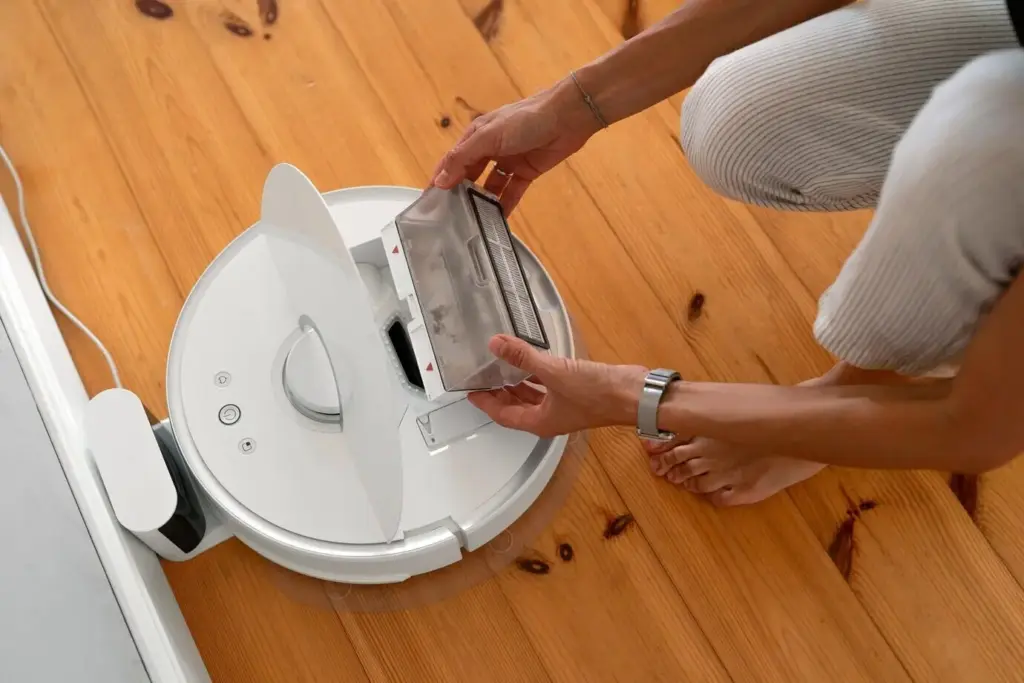
Caring for appliances is well within most leases when limited to cleaning, basic settings, and filter attention. Follow manufacturer guidance and avoid disassembly. A little time keeps machines efficient, odors down, and energy use reasonable. With clear logs and respectful communication, you also help management schedule timely service. Tell us what appliance tip saved you the most hassle, and we will feature standout renter strategies in a future checklist edition.


Communicate Like a Pro and Build Trust
Clear communication turns small maintenance moments into positive relationships. Share observations early, include photos, and suggest convenient times for entry if needed. Keep messages polite and focused on prevention. Thank your landlord or manager for quick fixes; gratitude encourages responsiveness. Maintain a simple log of requests and outcomes. Over time, this professional approach shortens repair timelines, protects your deposit, and makes renewals or move-outs smoother for everyone involved.
All Rights Reserved.